All surgical procedures carry inherent clinical risks and potential complications.
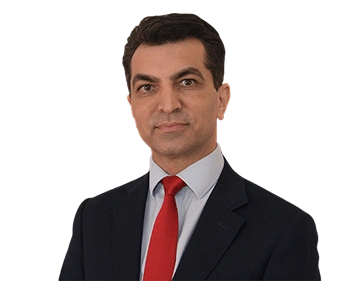
At Collins St Plastic Surgery, Dr. Mansoor Mirkazemi prioritises comprehensive patient education and informed consent. Every patient is encouraged to have a detailed discussion regarding the risks specific to their procedure, medical history, and aesthetic goals.
Please note that the information provided below is general in nature and does not replace a personalised consultation with a qualified Specialist Plastic Surgeon.
The Reality of Surgical Risk
Plastic surgery involves surgical incisions, tissue manipulation, and physiological stress on the body. Despite modern surgical techniques, accredited facilities, and specialist anaesthetic care, complications may still occur due to:
- Individual biological response
- Genetic predisposition
- Underlying medical conditions
- Lifestyle factors
- The complexity and duration of surgery
Understanding these risks allows patients to make informed, responsible decisions about their care.
General Surgical Risks
The following risks apply broadly to most invasive surgical procedures.
Infection
Infection can occur at the incision site or deeper within tissues.
- Smoking
- Diabetes
- Obesity
- Prolonged surgical time
- Compromised immune function
- Redness
- Swelling
- Warmth
- Increasing pain
- Pus or discharge
- Fever or malaise
Preventative measures include sterile surgical technique, perioperative antibiotics (when indicated), and strict post-operative wound care.
Early recognition and treatment with antibiotics or, in some cases, surgical drainage is essential.
Bleeding & Haematoma
A haematoma is a collection of blood beneath the skin or within tissues.
It may cause:
- Swelling
- Pain
- Pressure
- Skin discolouration
Risk is influenced by:
- Surgical technique
- Blood clotting disorders
- Blood-thinning medications or supplements
In some cases, surgical drainage may be required.
Seroma (Fluid Accumulation)
A seroma refers to a collection of clear fluid beneath the skin.
- Localised swelling
- Fluid movement sensation
- Mild discomfort
- Extensive tissue dissection
- Large tissue removal
- Obesity
- Poor wound healing
Management may involve aspiration (needle drainage) or temporary surgical drains.
Delayed Wound Healing & Wound Dehiscence
Delayed healing can result from:
- Smoking or nicotine use
- Poor blood circulation
- Diabetes
- Nutritional deficiencies
- Infection
Wound dehiscence (reopening of a wound) may require additional treatment and prolonged recovery. Adhering strictly to post-operative instructions significantly reduces this risk.
Scarring
All surgical incisions result in permanent scars.
While Specialist Plastic Surgeons use meticulous closure techniques, scar appearance varies depending on:
- Genetics
- Skin type
- Tension on the wound
- Infection
- Smoking
Some individuals may develop:
- Hypertrophic scars (raised but confined to incision)
- Keloid scars (raised and extending beyond incision borders)
Scar management strategies may include silicone therapy, steroid injections, laser treatments, or revision surgery if required. Dr Mirkazemi will discuss all options with you.
Nerve Injury
Temporary or permanent changes in sensation may occur due to tissue manipulation. Possible effects:
- Numbness
- Tingling
- Altered sensation
- Hypersensitivity
In many cases, sensation improves gradually over months, though some changes may be permanent.
Anaesthesia Risks
Procedures performed under general anaesthesia or sedation carry specific physiological risks. Most healthy patients tolerate anaesthesia well. However, risks may include:
- Allergic reactions to medications
- Nausea and vomiting
- Sore throat from airway devices
- Respiratory complications
- Cardiovascular instability
- Temporary confusion or cognitive effects
In rare cases:
- Pneumonia
- Severe allergic reactions
- Blood clots
A specialist anaesthesiologist will review your medical history and monitor you closely throughout the procedure.
Deep Vein Thrombosis (DVT) & Pulmonary Embolism
Deep Vein Thrombosis (DVT) refers to blood clot formation in deep veins, typically in the legs.
If a clot dislodges and travels to the lungs, it can cause a life-threatening pulmonary embolism.
Risk factors include:
- Prolonged immobility
- Major surgery
- Smoking
- Obesity
- Personal or family history of clotting disorders
Preventative measures may include:
- Early mobilisation
- Compression stockings
- Intra-operative calf compression devices
- Blood-thinning medication when indicated
Procedure-Specific Risks
In addition to general surgical risks, each procedure carries its own specific considerations. These may include:
- Asymmetry
- Contour irregularities
- Skin discolouration
- Implant-related complications (where applicable)
- Capsular contracture (in breast implant surgery)
- Implant rupture or displacement
- Fat necrosis
- Tissue loss (rare)
Your surgeon will provide a detailed explanation tailored to your chosen procedure.
Unfavourable Aesthetic Outcomes
Despite technical expertise and careful planning, results may not always align perfectly with expectations.
Potential issues include:
- Asymmetry
- Under- or over-correction
- Irregular contours
- Persistent swelling
Revision surgery may be discussed in some cases, though it carries additional risks and costs. Clear communication and realistic expectations are essential components of a successful outcome.
Individual Risk Factors
Certain patients face higher risks depending on medical and lifestyle factors.
Smoking & Nicotine Use
Smoking significantly increases the risk of:
- Delayed wound healing
- Infection
- Skin or tissue necrosis
- Poor scarring
- Blood clots
- Respiratory complications
Nicotine constricts blood vessels and reduces oxygen delivery to tissues. A minimum of 4–6 weeks of smoking cessation before surgery and 6 weeks after surgery is strongly recommended.
Elevated BMI
Higher body mass index is associated with:
- Increased anaesthetic risk
- Greater wound-healing complications
- Higher infection rates
- Increased DVT risk
Weight optimisation prior to surgery may improve safety and outcomes.
Chronic Medical Conditions
Conditions requiring careful assessment include:
- Diabetes
- Cardiovascular disease
- Autoimmune disorders
- Clotting disorders
- Respiratory disease
Full disclosure of medical history is essential.
Medications & Supplements
Certain medications and supplements may increase bleeding risk or interact with anaesthesia, including:
- Blood thinners
- Anti-inflammatory medications
- Herbal supplements
- Hormone therapy
Your surgeon will advise on which medications must be paused prior to surgery.
Safety Protocols at Collins St Plastic Surgery
Dr. Mansoor Mirkazemi adheres to the National Safety and Quality Health Service (NSQHS) Standards.
Safety measures include:
- Surgery performed in licensed, accredited hospitals
- Specialist anaesthetists
- Qualified peri-operative nursing teams
- Comprehensive medical screening
- Psychological assessment where appropriate
- Structured post-operative follow-up schedule
- Early complication detection protocols
Frequently Asked Questions
- Cease smoking well in advance of surgery
- Maintain good nutrition
- Follow all pre-operative instructions
- Attend all follow-up appointments
- Adhere strictly to post-operative care guidelines
If a complication arises, Dr. Mirkazemi will develop an appropriate management plan. This may involve:
- Medication
- Specialised wound care
- Imaging
- Minor procedures
- Return to theatre if medically required
Early reporting of concerns significantly improves outcomes.
About Dr Mansoor Mirkazemi
Dr Mansoor Mirkazemi
BMedSci, MBBS, FRACS (Plast)
Specialist Plastic Surgeon
MED0001200720
Dr Mansoor Mirkazemi is a qualified Australian Specialist Plastic Surgeon who is Board Certified in Cosmetic Surgery.
Dr Mansoor is:
- A Fellow of the Royal Australasian College of Surgeons (FRACS)
- A member of the Australian Society of Plastic Surgeons (ASPS)
- A Board Member of the Australasian Society of Aesthetic Plastic Surgeons (ASAPS)
- A member of the International Society of Aesthetic Plastic Surgery (ISAPS)
Dr Mansoor Mirkazemi is a Board Member of the Australasian Society of Aesthetic Plastic Surgeons, a Faculty Member of Anatomy for Injectors, and the Head of Breast Reconstruction Unit at Monash Health.
He also travels to the Pacific Islands regularly as an Interplast volunteer to help those people who do not have access to medical treatment. He treats children with cleft lips and palates, burn injuries, hand injuries and tumours.
Mansoor is also currently working as a Plastic and Reconstructive Surgeon at Monash Health.
He is accredited with many private hospitals including:
- St Vincent’s Private Hospital
- Epworth Hospital
- Cabrini Hospital
- Ramsay Health Care
- Sir John Monash Private Hospital
The highest quality care comes through meticulous operative techniques and attention to detail alongside a genuine, caring and compassionate service.