What is Closed Rhinoplasty Surgery?
Closed rhinoplasty, also known as endonasal rhinoplasty, is a surgical method used to modify the bone and cartilage framework of the nose. Unlike an open rhinoplasty, which involves a small incision across the columella (the tissue separating the nostrils), a closed approach relies solely on incisions placed internally within the nasal passages.
This technique allows the surgeon to access the underlying nasal structures without creating external scarring. The procedure aims to address proportional variations or functional breathing concerns by carefully reshaping the patient’s existing tissue.
What makes a suitable candidate for Closed Rhinoplasty Surgery?
A suitable candidate for closed rhinoplasty is typically an adult whose facial growth is complete and who presents with specific anatomical features that can be addressed without requiring extensive exposure of the nasal framework. Individuals seeking modifications such as minor dorsal hump reduction or subtle tip alterations may be appropriate candidates.
Patients must have realistic expectations regarding the surgical outcomes and understand that individual anatomy, skin thickness, and healing capabilities significantly influence the final result. A thorough consultation is required to assess whether a patient’s goals align with the technical capabilities of a closed approach.
What are the Closed Rhinoplasty Surgery options?
When considering closed rhinoplasty, potential options to address nasal concerns include cosmetic closed rhinoplasty focused on altering the external appearance and proportions of the nose, functional closed septorhinoplasty designed to address internal structural issues causing airway obstruction, or temporary non-surgical alternatives using injectable dermal fillers to modify nasal contours and add volume without surgical intervention.
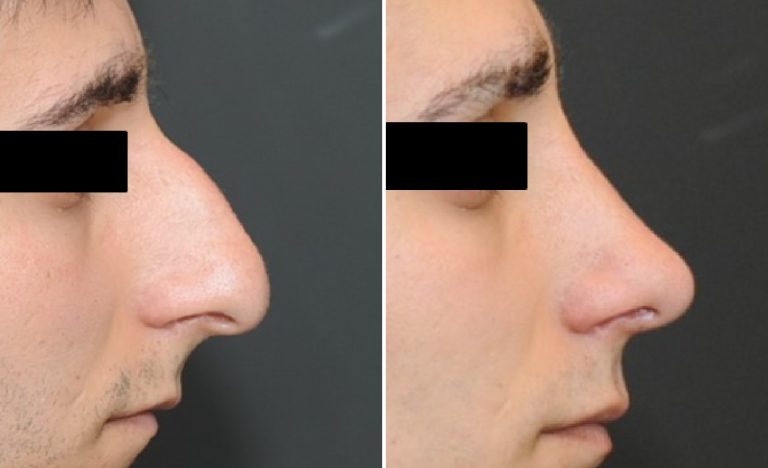
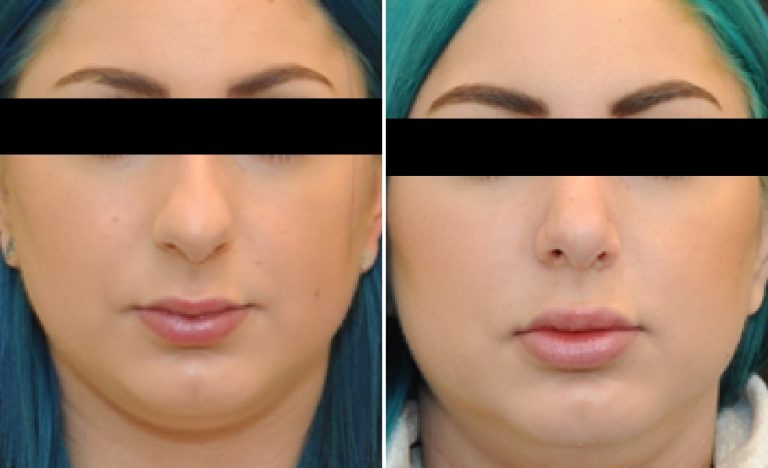
Before & Afters
Disclaimer: All surgeries before & afters shown on this website are performed by Dr Mirkazemi and are published with consent by our patients. They are not guarantees that your results will be the same or similar as results will vary between individuals. The content on our page is general in nature and does not constitute medical advice. Any surgery or invasive procedure carries risks and has a recovery time. Before proceeding, please seek medical advice from an appropriately qualified medical practitioner. During your consultation, Dr Mirkazemi will carefully evaluate each individual and provide an honest and realistic assessment of what can be expected from the procedure.
Closed Rhinoplasty surgical techniques
- Dorsal Hump Reduction: This technique involves carefully reducing excess bone and cartilage along the bridge of the nose to alter its profile and address prominent convexities.
- Tip Refinement: Surgeons use specialized instruments through the internal incisions to modify the lower lateral cartilages, which can alter the projection, rotation, or width of the nasal tip.
- Endonasal Septoplasty: A functional technique performed alongside cosmetic changes to straighten a deviated septum, with the aim of managing internal airway obstructions and facilitating nasal breathing.
Recovery after Closed Rhinoplasty Surgery
Recovery following closed rhinoplasty is a gradual process that varies between individuals. During week one, patients typically experience the most prominent swelling, bruising around the eyes, and nasal congestion, while wearing an external splint to support the newly modified structures.
By month one, the majority of the visible bruising and primary swelling generally subsides, allowing patients to return to most normal daily activities, though some localized swelling will persist.
By month three, the nasal tissues continue to settle and conform to the altered framework; however, residual swelling, particularly around the nasal tip, may take up to a year or longer to fully resolve.
How much does Closed Rhinoplasty Surgery cost?
The cost of a closed rhinoplasty is determined on a case-by-case basis, as no two procedures are exactly alike. The total fee will depend on the complexity of the anatomical changes required, the specific surgical techniques utilized, and whether functional airway surgery is performed concurrently.
A comprehensive quote typically includes the surgeon’s fee, the anaesthetist’s fee, hospital or facility costs, and any necessary post-operative garments or follow-up appointments. A detailed, individualized financial estimate is provided following a thorough consultation and assessment.
Frequently Asked Questions for Closed Rhinoplasty Surgery
Specific Risks and Complications For Closed Rhinoplasty Surgery
Any surgical or invasive procedure carries risks. Before proceeding, you should seek a second opinion from an appropriately qualified health practitioner.
Closed rhinoplasty is a surgical procedure performed to modify the internal and external structure of the nose. Unlike the open approach, all incisions are made within the nostrils, meaning there is no external scar on the columella. While this technique avoids external scarring, it remains a complex operation involving the alteration of bone and cartilage.
Patients must consider the potential clinical risks and complications associated with nasal surgery. These risks vary based on the patient’s anatomy, skin thickness, and previous surgical history.
Procedure-Specific Complications
- Breathing Difficulties: Changes made to the internal nasal structure may affect the nasal airway. While many procedures address airway obstruction, some patients may experience a temporary or permanent change in their ability to breathe through the nose.
- Septal Perforation: In rare instances, a hole may develop in the nasal septum (the wall between the nostrils). This can cause symptoms such as crusting, whistling, or difficulty breathing, and may require further surgical repair.
- Skin Numbness: Temporary numbness of the nasal skin or upper lip is common following surgery. In some cases, altered sensation may be prolonged or permanent.
- Persistent Swelling: The nose retains swelling longer than almost any other part of the body. While most swelling subsides within months, minor oedema can persist for up to a year or longer, affecting the visible contour.
- Asymmetry: No nose is perfectly symmetrical. Despite surgical efforts to address proportions, minor degrees of asymmetry may persist or develop as the tissues heal and contract.
Long-Term Considerations
- Dissatisfaction with Anatomical Outcome: The final shape of the nose is heavily influenced by how the skin wraps over the modified bone and cartilage. There is a risk that the final anatomical result may not align with a patient’s goals.
- Need for Secondary (Revision) Surgery: Rhinoplasty has one of the highest revision rates in plastic surgery. Further procedures may be necessary to address minor irregularities, breathing issues, or scar tissue formation.
- Skin Changes: In rare cases, the skin over the nose may undergo changes in colour or texture, or the blood supply to the skin may be compromised during the healing process.
General Surgical Risks
All surgical procedures, including plastic and cosmetic surgery, carry inherent risks and potential complications.
These may include infection, bleeding, fluid accumulation, delayed wound healing, scarring, nerve changes, anaesthetic risks, blood clots, and procedure-specific complications. Individual factors such as smoking, elevated BMI, underlying medical conditions, and certain medications can further influence your safety profile and recovery.
A thorough consultation and strict adherence to pre- and post-operative instructions are essential to minimise risks.