Breast Reduction
Home | Breast Surgery | Breast Reduction
What is Breast Reduction?
What makes a suitable candidate for Breast Reduction?
What are the Breast Reduction options?
Options for breast reduction depend on the volume of tissue to be removed and the patient’s existing breast anatomy. Potential options include traditional excisional surgery, which removes skin, fat, and glandular tissue. In specific cases where excess fat is the primary concern, liposuction alone may be considered as an alternative approach. Additionally, breast reduction can be combined with a breast lift (mastopexy) approach if significant reshaping and alteration of the nipple position are required alongside volume reduction.
Breast Reduction surgical techniques
- Inverted-T or Anchor Pattern: This technique involves three incisions: one around the areola, one vertically down from the areola to the breast crease, and one horizontally along the inframammary fold. It is commonly used for significant tissue removal and extensive alteration of the breast contour.
- Vertical or “Lollipop” Pattern: This technique uses an incision around the areola and a vertical incision running down to the breast crease, avoiding the horizontal incision. It is typically suitable for moderate volume reduction and reshaping.
- Periareolar or “Donut” Pattern: This approach involves a single circular incision around the perimeter of the areola. It is generally reserved for patients requiring only minor volume reduction and slight lifting of the nipple-areolar complex.
Before & Afters
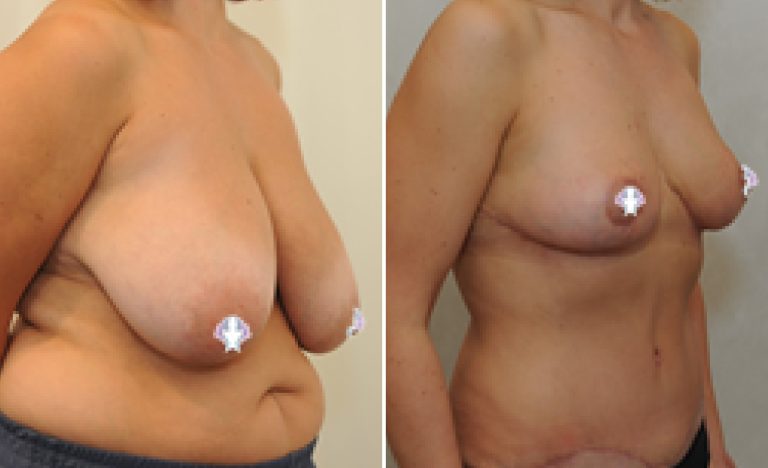
Breast Reduction
Procedure: Breast Reduction
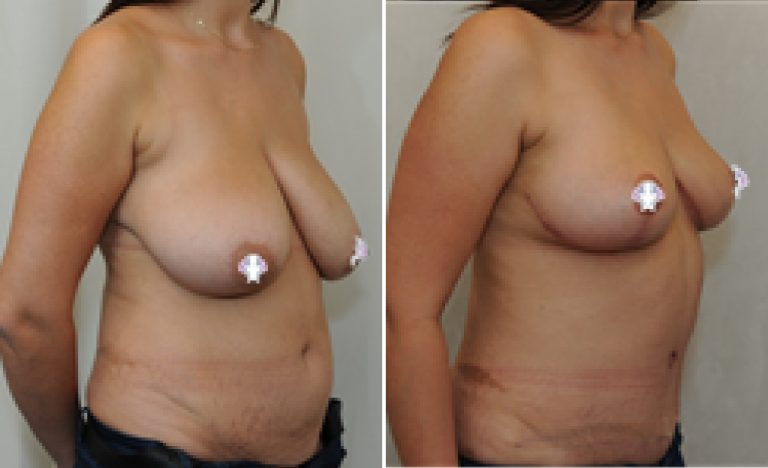
Breast Reduction
Procedure: Breast Reduction

Breast Reduction
Procedure: Breast Reduction
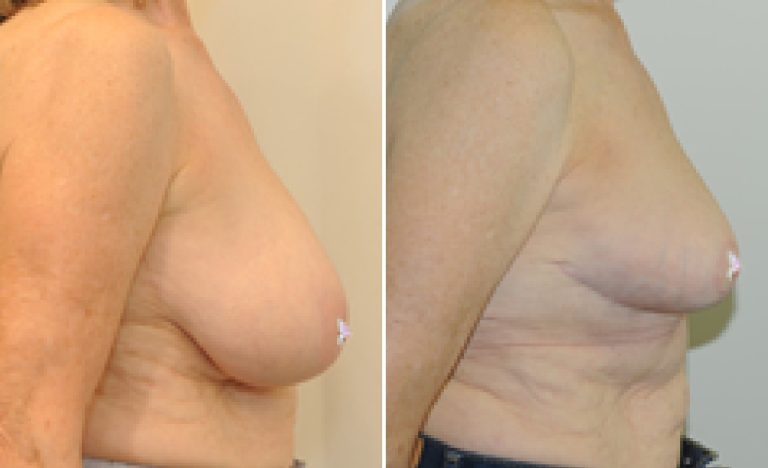
Breast Reduction
Procedure: Breast Reduction

Breast Reduction
Procedure: Breast Reduction
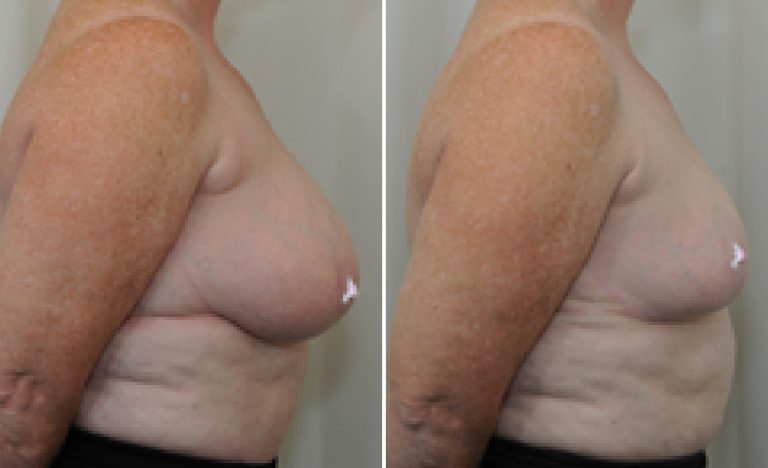
Breast Reduction
Procedure: Breast Reduction
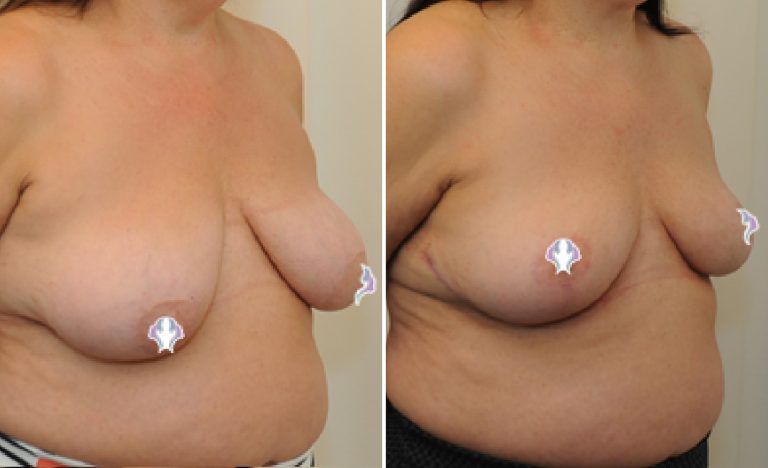
Breast Reduction
Procedure: Breast Reduction
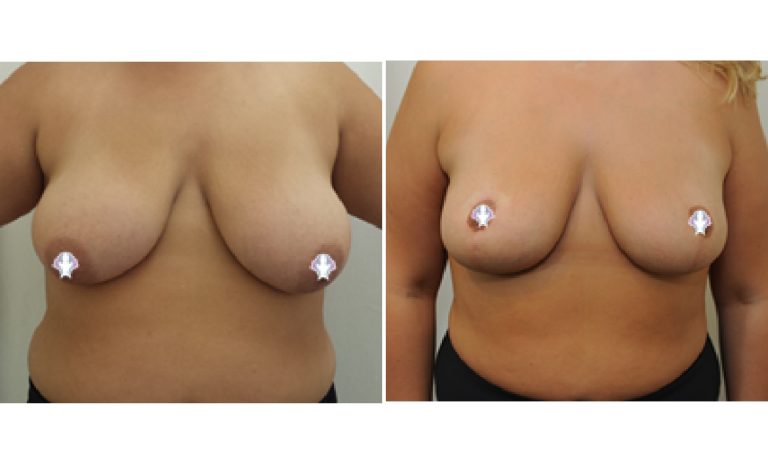
Breast Reduction
Procedure: Breast Reduction

Breast Reduction
Procedure: Breast Reduction
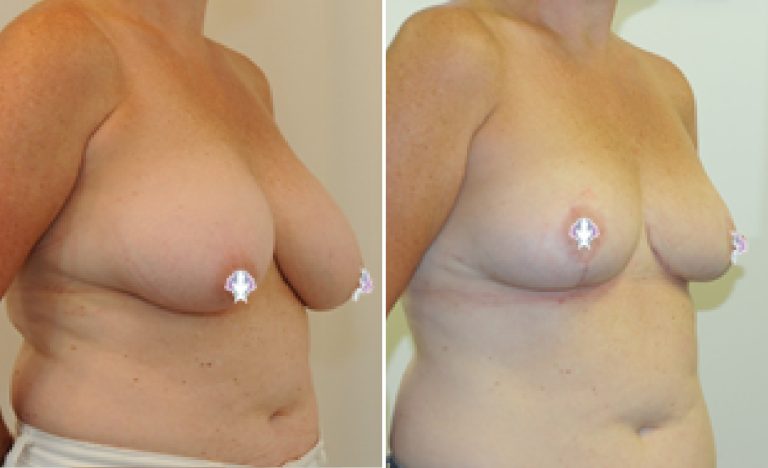
Breast Reduction
Procedure: Breast Reduction
Breast Reduction
Procedure: Breast Reduction

Breast Reduction
Procedure: Breast Reduction
Disclaimer: All surgeries before & afters shown on this website are performed by Dr Mirkazemi and are published with consent by our patients. They are not guarantees that your results will be the same or similar as results will vary between individuals. The content on our page is general in nature and does not constitute medical advice. Any surgery or invasive procedure carries risks and has a recovery time. Before proceeding, please seek medical advice from an appropriately qualified medical practitioner. During your consultation, Dr Mirkazemi will carefully evaluate each individual and provide an honest and realistic assessment of what can be expected from the procedure.
Recovery after Breast Reduction
How much does Breast Reduction cost?
Frequently Asked Questions for Breast Reduction Surgery
Specific Risks and Complications For Breast Reduction
Any surgical or invasive procedure carries risks. Before proceeding, you should seek a second opinion from an appropriately qualified health practitioner.
Procedure-Specific Complications
- Nipple and Skin Sensation Changes: Temporary or permanent numbness or altered sensitivity in the nipples, areolae, or breast skin is a known risk. While sensation often returns over several months, permanent loss of feeling can occur.
- Asymmetry: While the goal is to achieve balanced proportions, differences in the shape, size, or nipple position between the two breasts may persist or develop during the healing phase.
- Contour Irregularities: Visible or palpable irregularities can occur if the underlying tissue heals unevenly or if the skin does not contract smoothly over the modified contour.
- Fat Necrosis: Fatty tissue deep within the breast may lose its blood supply and die, resulting in firm lumps. While usually harmless, these may require clinical evaluation or aspiration if they cause discomfort or interfere with mammographic imaging.
- Nipple/Areola Loss (Necrosis): In rare cases, particularly those involving significant tissue excision, the blood supply to the nipple or areola may be compromised, leading to partial or total tissue loss. This may require specialized wound management or secondary reconstructive surgery.
- Inability to Breastfeed: Because glandular tissue and milk ducts are excised and altered during a reduction, patients may face a reduced or complete inability to breastfeed in the future.
Long-Term Considerations
- Permanent Scarring: Incisions result in permanent scars. While these are typically placed in specific patterns (such as anchor or vertical shapes) to minimize visibility, their final appearance is heavily influenced by individual healing and genetic factors.
- Tissue Changes Over Time: The modified breast size and contour can be influenced in the future by factors such as significant weight fluctuations, pregnancy, and the natural ageing process, potentially leading to recurrent tissue laxity or sagging (ptosis).
- Unsatisfactory Anatomical Outcome: There is a possibility that the surgical result may not align with the patient’s anatomical expectations, or that secondary surgery may be required to further modify the breast contour or address complications.
- Need for Secondary Procedures: Revision surgery may be necessary to address asymmetry, manage scarring, or further modify tissue if required.
General Surgical Risks
All surgical procedures, including plastic and cosmetic surgery, carry inherent risks and potential complications.
To learn more, please read our detailed Risks and Complications of Plastic Surgery page here.