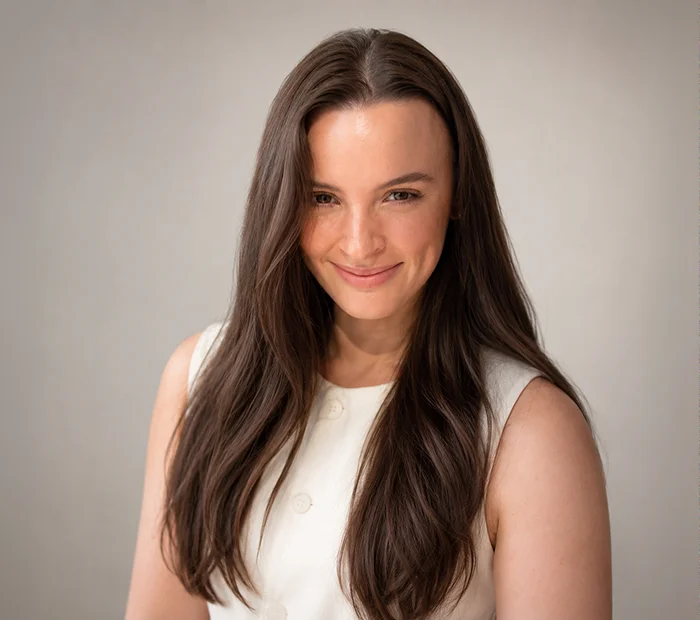
12+ years’ experience across dermal therapy, cosmetic medicine, dermatology and medical aesthetics.
Dermal Clinical Services
Supporting medical care through evidence-based skin assessment, treatment and long-term skin optimisation.
What is a Dermal Clinician?
Dermal Clinicians are university-qualified allied health professionals specialising in assessing and managing skin health and
complex skin concerns. We work alongside GPs, dermatologists, plastic surgeons, cosmetic physicians and other health
professionals to provide adjunctive skin management, procedural treatments and ongoing skin optimisation.
My approach is assessment first, treatment second — considering the patient’s medical history, medications, current
skincare, skin condition, contributing factors and treatment goals before developing an individualised plan.
With a four-year Bachelor degree and 300+ hours of supervised clinical practice, Dermal Clinicians are trained in wound
management, anatomy and physiology, skin dysfunction, chemistry, research and clinical skills. This allows us to assess the
skin within the context of the patient’s broader health and recognise when medical review or referral is required.
Complementing, Not Replacing, Medical Care
Many patients benefit from medical and dermal management working together. A patient does not necessarily need to
choose between their medical treatment and procedural skin treatment. Where appropriate, we can work alongside
prescribed medications and medical interventions to support the skin, manage inflammation, improve skin integrity and
address concerns such as pigmentation, scarring and texture.
Medical and dermal treatment often work at different levels — allowing us to address both the underlying drivers of a
condition and the resulting changes within the skin. This collaborative approach can be particularly valuable for patients
who:
- Are already undergoing medical treatment but require additional skin support
- Have not achieved their desired outcome from medical treatment alone
- Are unable or reluctant to pursue certain medical interventions
- Require support managing the cutaneous effects of medication or medical treatment
- Are seeking to improve residual pigmentation, redness, scarring or textural changes
- Require skin preparation or rehabilitation around surgical or procedural care
A Clinically Integrated Approach
Dermal Clinicians can assess, develop and monitor individualised treatment plans and provide adjunctive management for
common skin conditions using evidence-based topical therapies, peels, LED, microneedling and energy-based devices.
We also play an important role in recognising presentations that require medical assessment and referring appropriately,
working collaboratively with GPs, dermatologists, plastic surgeons and other health professionals as part of a
multidisciplinary model of care.
The goal is simple: to support the patient from both sides — addressing their medical needs while actively managing the
health, function and appearance of the skin.
Areas I Can Assist With
Skin Conditions
- Acne (inflammatory, microcomedones)
- Acne-related redness & post-inflammatory changes
- Rosacea and facial flushing
- Sensitive or reactive skin
- Compromised skin barrier
- Keratosis pilaris
- Supportive care for dermatitis, psoriasis and other chronic inflammatory conditions
Pigmentation & Uneven Skin Tone
- Melasma
- Post-inflammatory hyperpigmentation (trauma, acne)
- Labial melanocytic macule
- Solar/sun-induced pigmentation — lentigo, seborrheic keratosis, freckles, poikiloderma, café-au-lait macules
Vascular Indications
- Port-wine stains
- Venous lakes
- Spider veins
- Angiomas (cherry, spider)
- Sebaceous hyperplasia
- Telangiectasia
Ageing & Skin Quality
- Fine lines and textural changes
- Dull or uneven skin
- Loss of skin quality / laxity
- Striae
- Long-term preventative skin health and maintenance
Scarring & Skin Texture
- Atrophic acne scarring
- Hypertrophic scarring
- Keloid scarring
- Surgical and traumatic scar optimisation
Pre & Post-Procedure Skin Management
- Skin preparation prior to surgery or cosmetic procedures
- Barrier and skin health optimisation
- Management of post-inflammatory pigmentation risk
- Post-procedure skin recovery and scar rehabilitation
- Long-term maintenance following surgical or procedural
treatment
Treatment Modalities
Treatment is selected according to the patient’s individual presentation and may include:
- Clinical skincare management — individualised home-care programs and skin-barrier optimisation
- Chemical peels — superficial and selected medium-depth peels for pigmentation, acne, texture and photodamage
- LED photobiomodulation — adjunctive treatment for inflammation, recovery, acne and overall skin health
- Skin needling (insulin, PDRN) — for selected patients requiring collagen stimulation, textural improvement and scar
management
- Laser & light-based treatments — for appropriately assessed pigmentary, scarring, vascular and inflammatory concerns
- Professional extractions — targeted removal of comedonal congestion and superficial follicular impactions where clinically
appropriate
- Scar & skin rehabilitation — individualised treatment pathways following acne, surgery or other skin trauma
When Might a Patient Benefit From Referral?
Consider referral for patients who:
- Require additional skin management alongside medical treatment
- Have persistent acne or acne scarring requiring procedural support
- Require structured management of pigmentation or melasma
- Have rosacea or reactive skin requiring barrier optimisation and adjunctive treatment
- Are preparing their skin prior to surgery or an aesthetic procedure
- Require ongoing skin rehabilitation following a procedure
- Would benefit from a structured, evidence-based skincare and treatment plan
- Want to improve skin quality, photodamage or texture through non-surgical treatments
A Collaborative Approach
Dermal Clinicians do not replace medical assessment or management. Patients are referred back to their GP, dermatologist
or other medical practitioner where a concern requires medical investigation, diagnosis, prescription treatment, or falls
outside the dermal scope of practice.
The goal is to provide complementary care within a multidisciplinary model, with clear communication and appropriate
referral pathways.